Last updated:
Camper Life
This guide covers everything you need to know about daily life in a camper, from heating and hot water to the toilet and gas system.
Heating in the camper
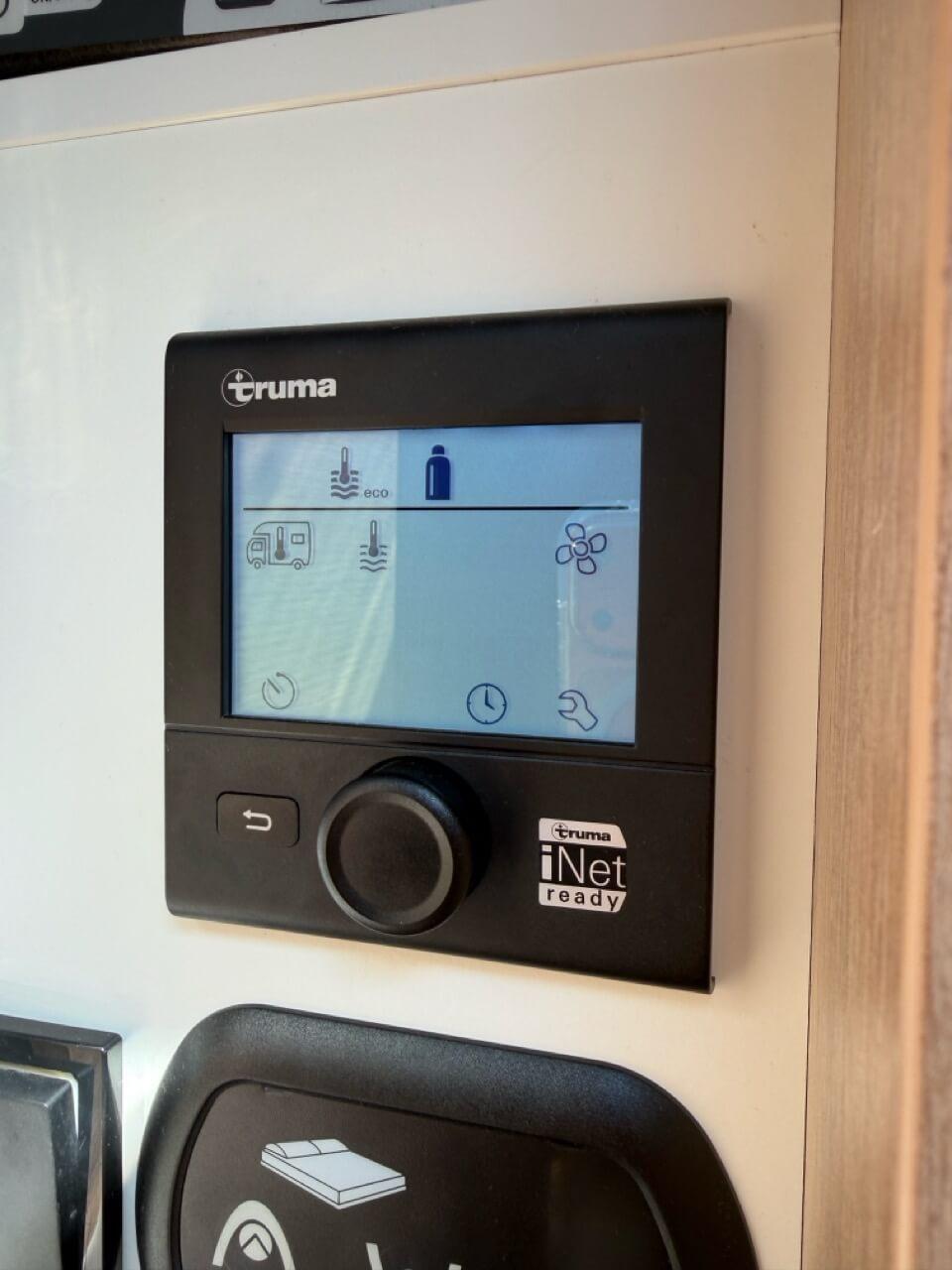
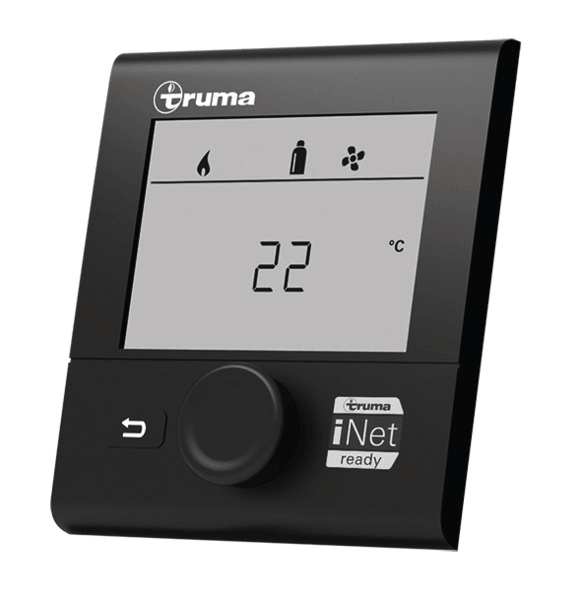
Heating and hot water run on gas or diesel depending on the model. They're both controlled together from the Truma panel near the entrance door, or on older models from the wall next to the bed.
The temperature is set with the rotary knob. Press it to select the function and turn it to set the temperature anywhere from 0 to 30 degrees. Press again to confirm and that's it.
How long does the heater take to warm up
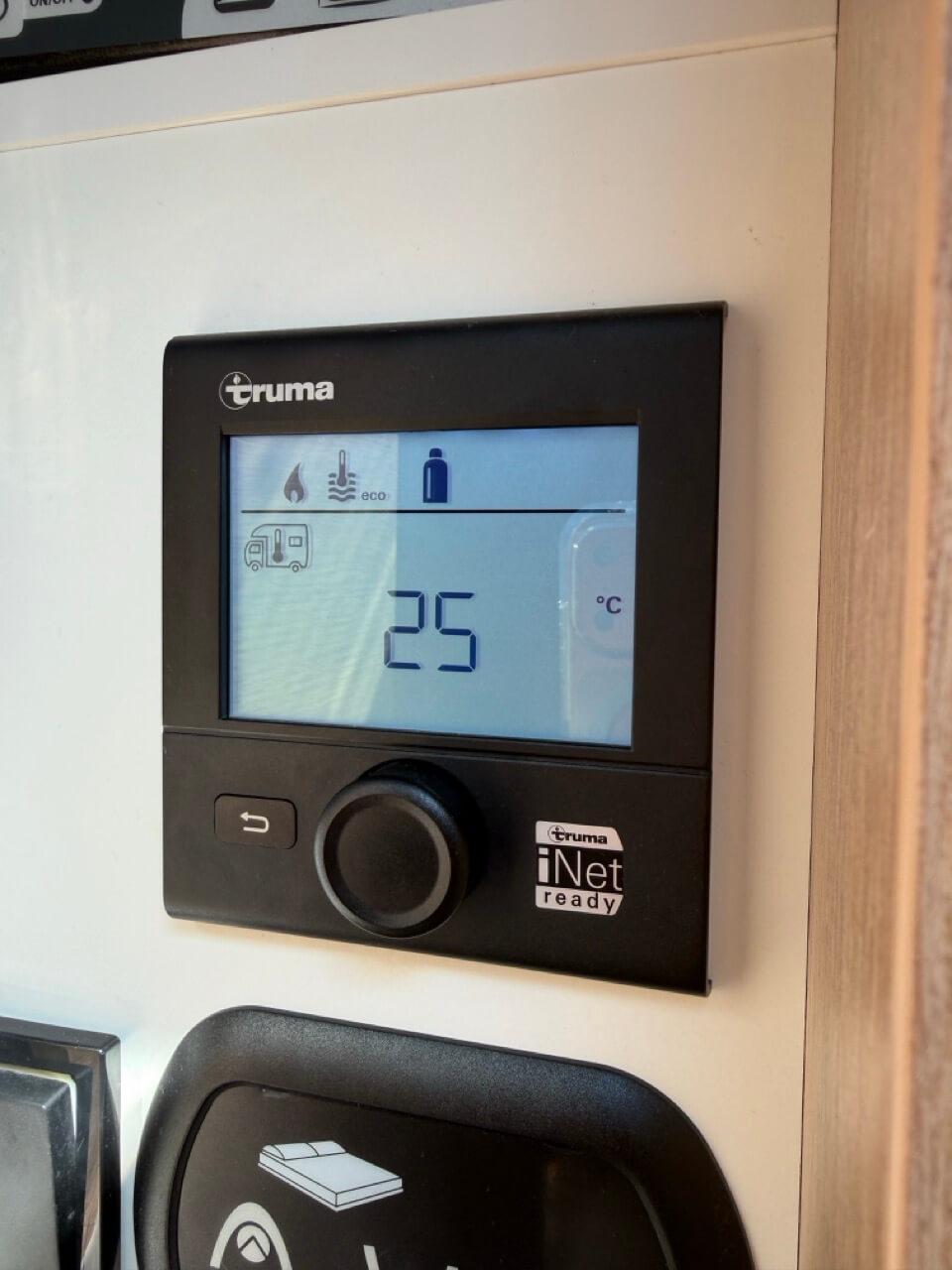
15 to 30 minutes is enough for the camper to start feeling warm during autumn and cooler days. Winter takes a bit longer.
Can the heater run overnight
Yes. The unit automatically maintains the set temperature, and exhaust gases vent outside.
Gas or diesel, what's the difference
A diesel heater pulls fuel from the camper's main tank, which is more economical, and you don't need to keep an eye on the gas bottle. Our campervans use this setup. A gas heater runs off the gas bottle, so on longer trips watch the consumption (see How much gas does the camper use below).
Panel errors
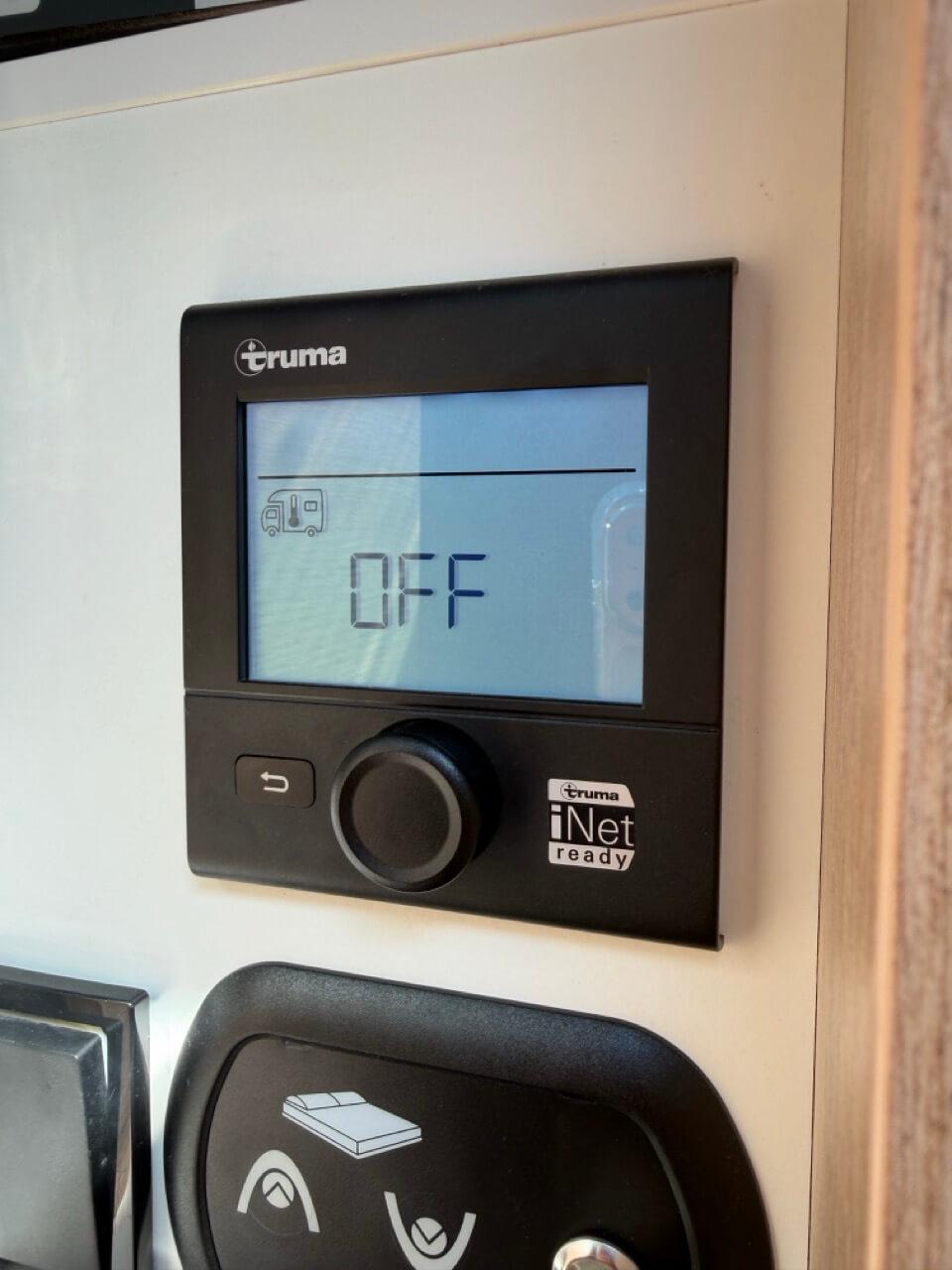
The most common error is caused by an open kitchen window. It sits right above the heater's exhaust outlet (a round vent with a cap on top). Close the window and try setting the temperature again.
The other common error is when the boiler is set to run but the gas isn't on or connected. For other questions or display errors, get in touch with us.
Hot water in the camper
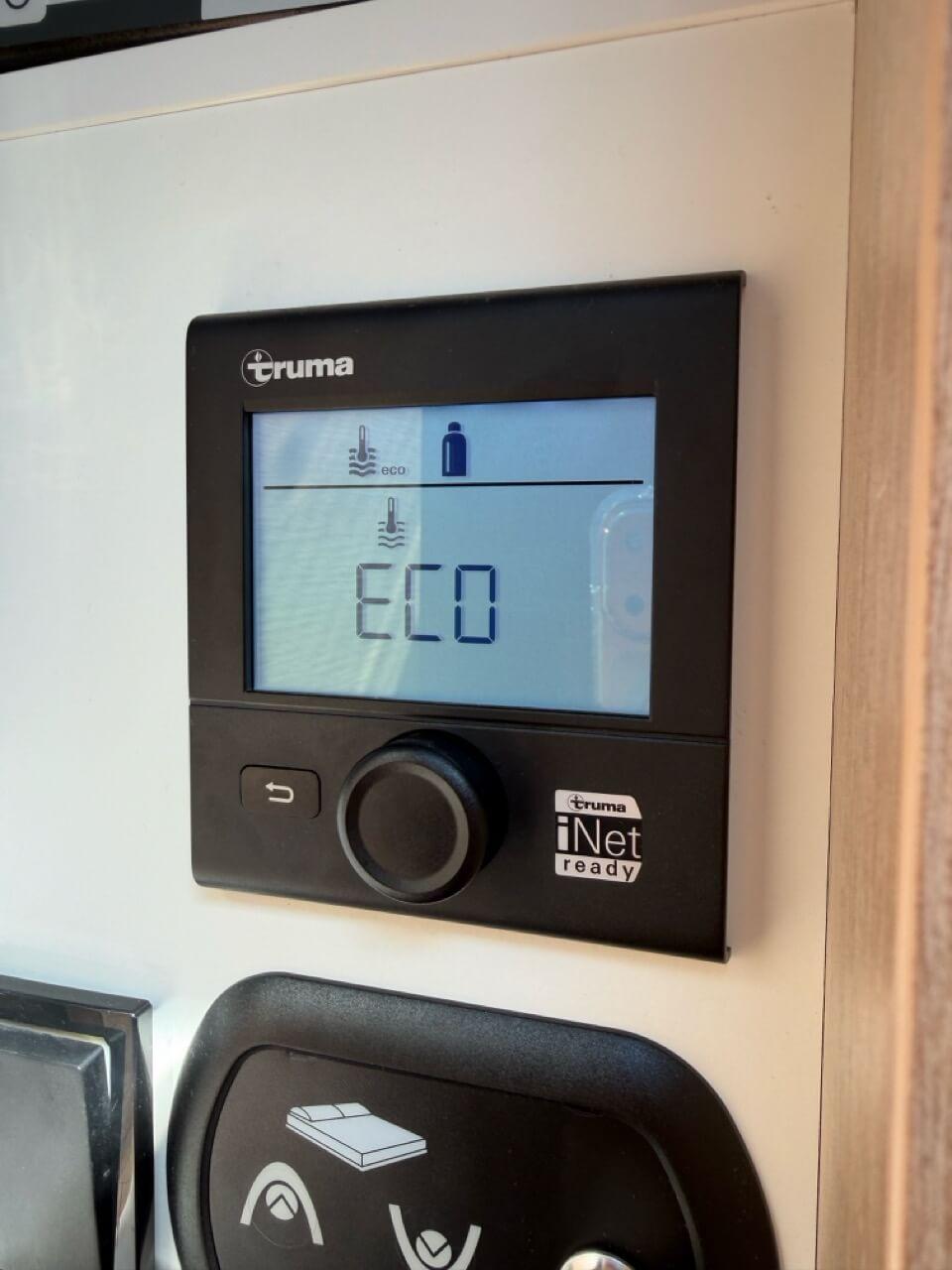
The boiler runs together with the camper's heating, and often the systems heat the water along with the cabin. Boiler settings work the same way as the heater above.
How much water is in the boiler
Usually 10 to 14 liters, enough to give 2 people a quick shower. The pressure and shower-cubicle size aren't like at home, so for longer showers we recommend using the campsite bathrooms, where conditions are usually closer to home.
How long does the water take to heat up
10 to 20 minutes from room temperature. The water heats up reasonably fast if you set the boiler to "Boost".
Air conditioning in the camper
Which campers have living-area AC
Not every camper has AC in the living area, so check the specific camper's page for the equipment list. The cab AC (driver-side) only works while the engine is running and doesn't cool the living area enough.
Living-area AC only works on 220V
The living-area AC in our campers draws too much power to run on the onboard battery. You can only use it when you're plugged into external power, e.g. on a campsite hookup.
No AC at night, what to do
Park in the shade if possible, ideally near tall trees. Lower the blinds on the sun-facing side. Open the roof hatch and an opposite window with the insect screens for natural airflow. On especially hot nights you can leave the sliding door open with its screen. Take a cool shower in the campsite bathroom rather than inside the camper to avoid raising humidity. If it's truly too hot, you can start the engine and run the cab AC for a short while to cool the air a bit.
Power supply and batteries in the camper
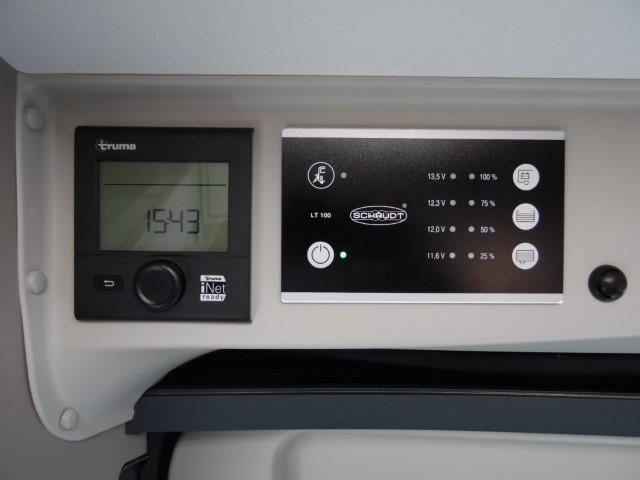
Checking the onboard battery
You can monitor the onboard battery charge from the control panel. We recommend checking at least once a day. Panels vary between campers, but the check is almost always the same: a button shows percentage or voltage on a colored scale.
Lighting and water pump
The lights and water pump run on the onboard battery. Switch off appliances you're not using to save energy when you're not on external power.
Charging the battery and 220V outlets
When you plug into a campsite hookup, the battery charges automatically. The 220V outlets only work when on external power. Campers come with a hookup cable with Schuko and Euro plugs.
Charging phones and devices
The camper has USB ports and 12V (cigarette-lighter) sockets in various spots, typically over the table, in the kitchen, next to the bed, and in the cab. They run on the onboard battery, so you can charge continuously.
220V outlets only work when you're on external power at a campsite.
Gas system in the camper
Opening and closing the gas bottle
Open the gas bottle by turning the valve at the top. When traveling, it's a good idea to close it. Some campers have a crash sensor with a button above the bottle. If the gas isn't flowing, check the button and press it back in if it has popped out. This can happen after changing the bottle or after a big bump in the road.
Quick connectors for a gas barbecue
Some campers have gas outlets for barbecues with quick-connect fittings. Connect the barbecue first, then open the quick-connect valve.
How much gas does the camper use
A large gas bottle usually lasts at least 2 weeks, depending on heating and cooking use. If the camper has a diesel heater, the gas will last longer.
If you smell gas, immediately close the bottle, ventilate, and don't light any open flame. Never use a portable camping gas stove inside the camper.
Water supply in the camper
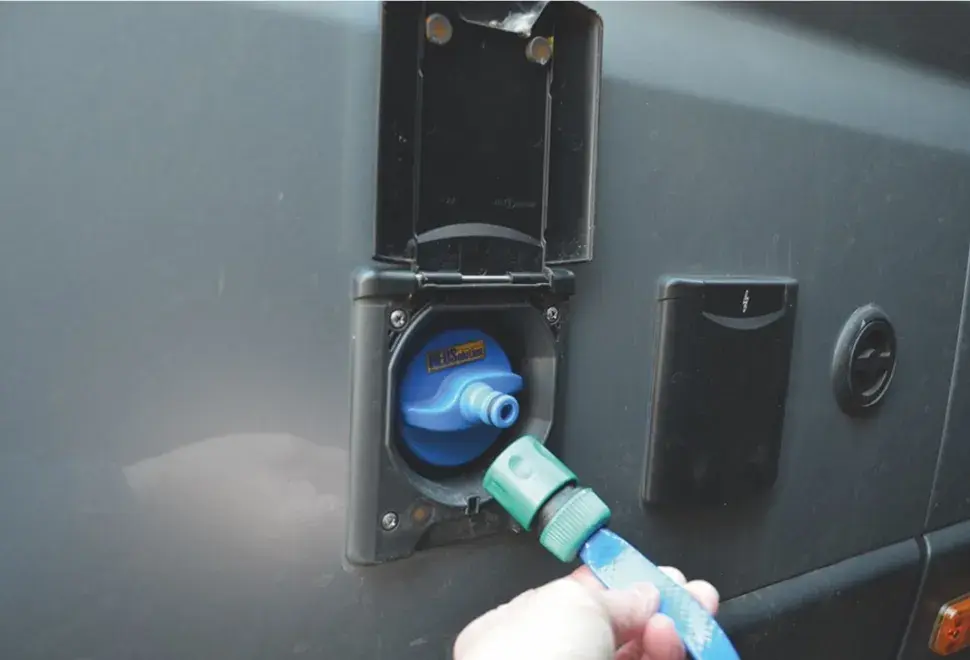
We hand the camper over with some water in the tank, enough to get you to the first campsite. After that, refill at the water points on campsites.
Fill the tank with the provided hose. Monitor the level daily on the control panel above the door. After use, drain the hose well and put it back in the bag you took it from.
Don't fill the tank to 100%. Overflow can come back through a safety vent inside the camper. When traveling, the tank should not be more than 50% full.
Is the tank water drinkable
No, the water from the tank isn't drinkable. It's only suitable for hand washing, dishes, showering, and the toilet. For drinking and cooking, bring bottled water or use the drinking-water taps at campsites.
How long does a full tank last
A full tank usually lasts about 2 days with short showers and washing a few dishes. We recommend using the campsite bathrooms and sinks when available, so the gray water tank fills up slower and you'll need to empty it less often. Emptying it means driving the whole camper to a dump station, which isn't convenient mid-stay.
Gray water in the camper
Checking the gray water level
The gray water tank collects wastewater from the sinks and shower. Check the level daily through the panel above the door.
Disposing of gray water
Empty at designated dump points in campsites or at camper service stations. Useful apps for finding dump stations are Park4Night and CamperContact.
Toilet in the camper
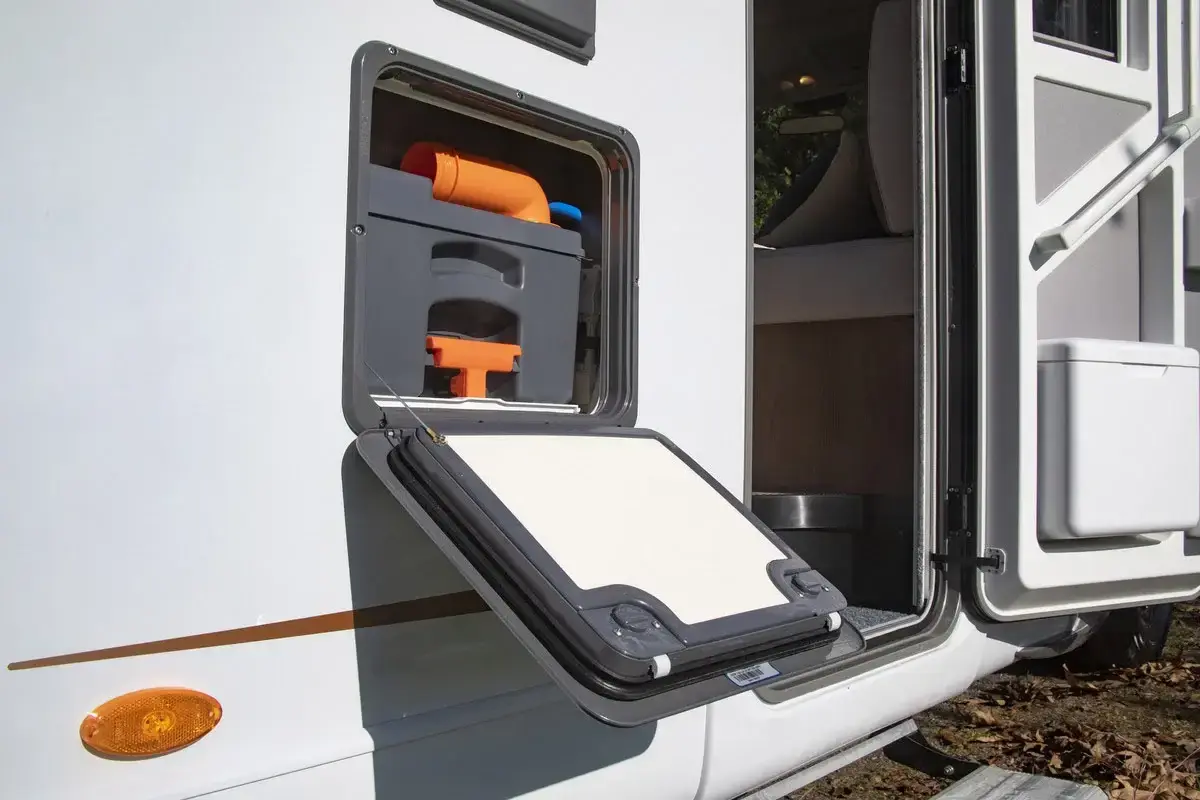
Toilet cassette level
Regularly check the level of the toilet cassette. The cassette gets emptied every 2 days or whenever it's full.
Never let the cassette overflow. It leads to spillage, unpleasant smells, and makes cleaning extremely difficult.
How to use the toilet
Always open the gate before use, then once you're done, flush water and close it. Some toilet bowls can be rotated for more space. Don't throw anything else into the cassette. Tossing in paper, wipes, and other items makes cleaning much harder for both you and us.
Emptying and disposing of the toilet cassette
Emptying the toilet is literally 5 steps:
- Close the gate inside, otherwise the cassette won't slide out.
- Unlock the hatch on the outside of the camper and pull the cassette out. If it doesn't come out easily, don't pull hard. Check whether the gate is closed (that's step 1).
- Empty at designated dump points in campsites and camper stops.
- Rinse with water and add a sachet of toilet chemical.
- Slide the cassette back in.
Toilet cassette chemicals
Add 1 sachet after each empty-and-rinse. The chemical breaks down waste and removes unpleasant smells.
Refrigerator in the camper
The fridge is controlled from the panel on the fridge itself. Arrange food so air can circulate. In hot weather, don't open it often, and pre-cool drinks before putting them in. The fridge runs slower than the one at home.
Gas, 12V or 220V, which mode to use
- Gas: for parking without external power (campsite without hookup or wild camping).
- 220V: when you're on hookup at a campsite. Doesn't use gas or battery.
- 12V: runs while driving, when the engine is on.
While driving, the fridge should be on 12V, not gas. At petrol stations and inside tunnels, running the fridge on gas is forbidden.
Does the fridge have a freezer
Most campers have a small freezer compartment in the upper part of the fridge, enough for ice and frozen items for a few days.
Why isn't the fridge cooling well
Absorption fridges (standard in campers) only work properly when the camper is leveled. See Leveling the camper in the Basics and Safety guide.
Insects and mosquitoes in the camper
Campers come with insect screens on the windows and doors. Keep them closed in the evening, especially when the lights are on, since light attracts insects.
When camping near water or in damper areas, you can use repellent or mosquito coils, always outside the camper.