Last updated:
Basics and Safety
A practical guide to driving a camper. Includes a departure checklist, maneuvering tips, and what to do in bad weather or emergencies.
Parking checklist
Leveling the camper
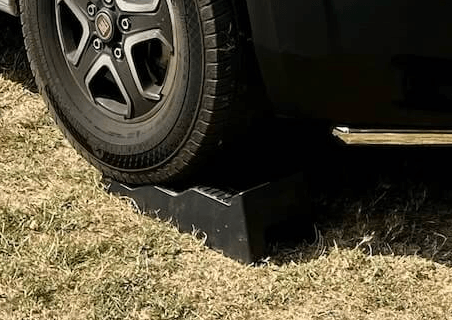
When stopping at a campsite or for an overnight stay, it's important the camper is level. This ensures proper refrigerator operation, water drainage in the sink and bathroom, and comfortable sleep.
Use the level and leveling blocks that come standard with every camper.
Once parked, always pull the handbrake and put it in gear (usually 1st or reverse).
After the camper is parked, you can turn the gas supply back on.
Filling water and connecting power at the campsite
At some campsites the water filling point is in a separate location, away from the camping pitches. Some places charge an extra fee for using 220V power. Check each campsite's rules individually so you don't end up driving the camper around the whole campsite.
Pre-departure checklist
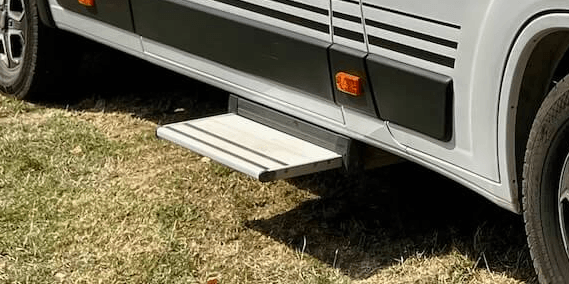
Retract the step
Always check that the exterior step is retracted. On some campers it retracts automatically, or you'll hear a loud alarm telling you to retract it.
Close windows and hatches
While driving, all windows and roof hatches must be tightly closed.
Lock cabinets and doors
Cabinets in the camper easily open during movement. Lock all drawers and doors.
Turn off the gas
We recommend turning off the gas before traveling.
Pack equipment
Tables, chairs, awning, cables and adapters, and other accessories should be stored in the trunk. The trunk doors must close and lock.
In rain and bad weather
When strong wind or a storm is forecast, the awning must be retracted. Leaving it extended can lead to serious damage.
Close windows and pack equipment
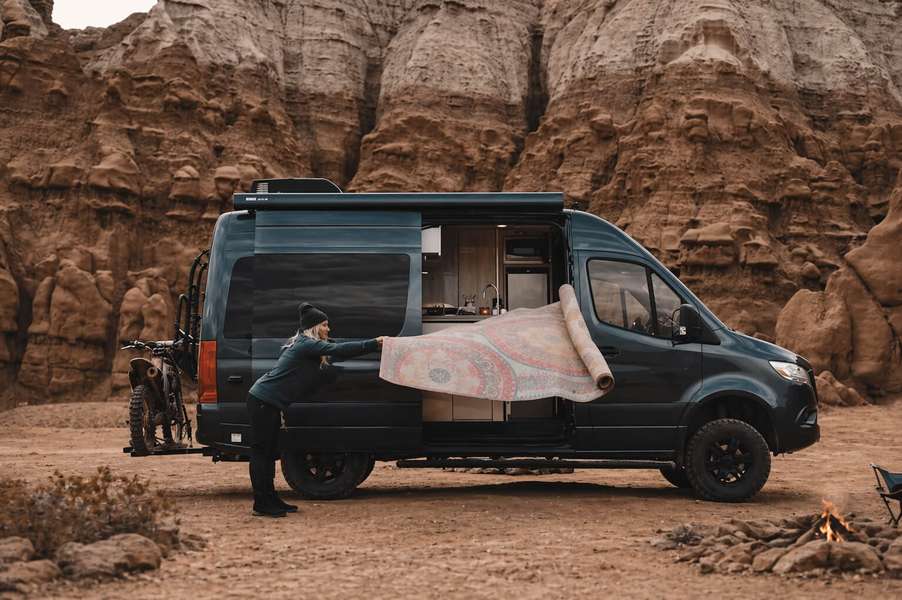
Close all windows and roof hatches to avoid leaks and flooding. Always retract the awning when the weather worsens. Fold chairs, tables, and everything left outside, so it isn't blown away or soaked.
Emergency situations
Breakdown
If the camper breaks down, first ensure safety: turn on the hazard lights and place a warning triangle.
Emergency contacts
Get in touch with our team through one of the methods on the Contact page. We'll help with instructions or organize assistance.
Basic tools
The camper has a kit with basic tools for minor repairs. It's located in the trunk on the shelf or in the floor inspection panel, under the table.
First aid kit
Located near the gas compartment or on the trunk shelf.
Fire extinguisher
Located near the gas compartment or on the trunk shelf.
Driving and maneuvering
Camper height
Always be mindful of the vehicle height. Pay attention to signs for tunnels, bridges, and low tree branches.
Reverse parking
It's recommended to have a second person help from outside. Mirrors don't cover all blind spots, and the camera isn't always enough.
Turning
The camper has a wider turning radius. Take turns wider to avoid hitting curbs or obstacles. Be especially careful with the rear of the camper. It's longer and swings out during turns, and you can catch something if you're too close.
Stopping
Braking distance is longer than that of a car. Keep a greater distance.
Side mirrors
Adjust them properly before departure. Use them constantly when overtaking, parking, and maneuvering in cities. These vehicles are long, with rear overhangs, and an accident can happen easily.